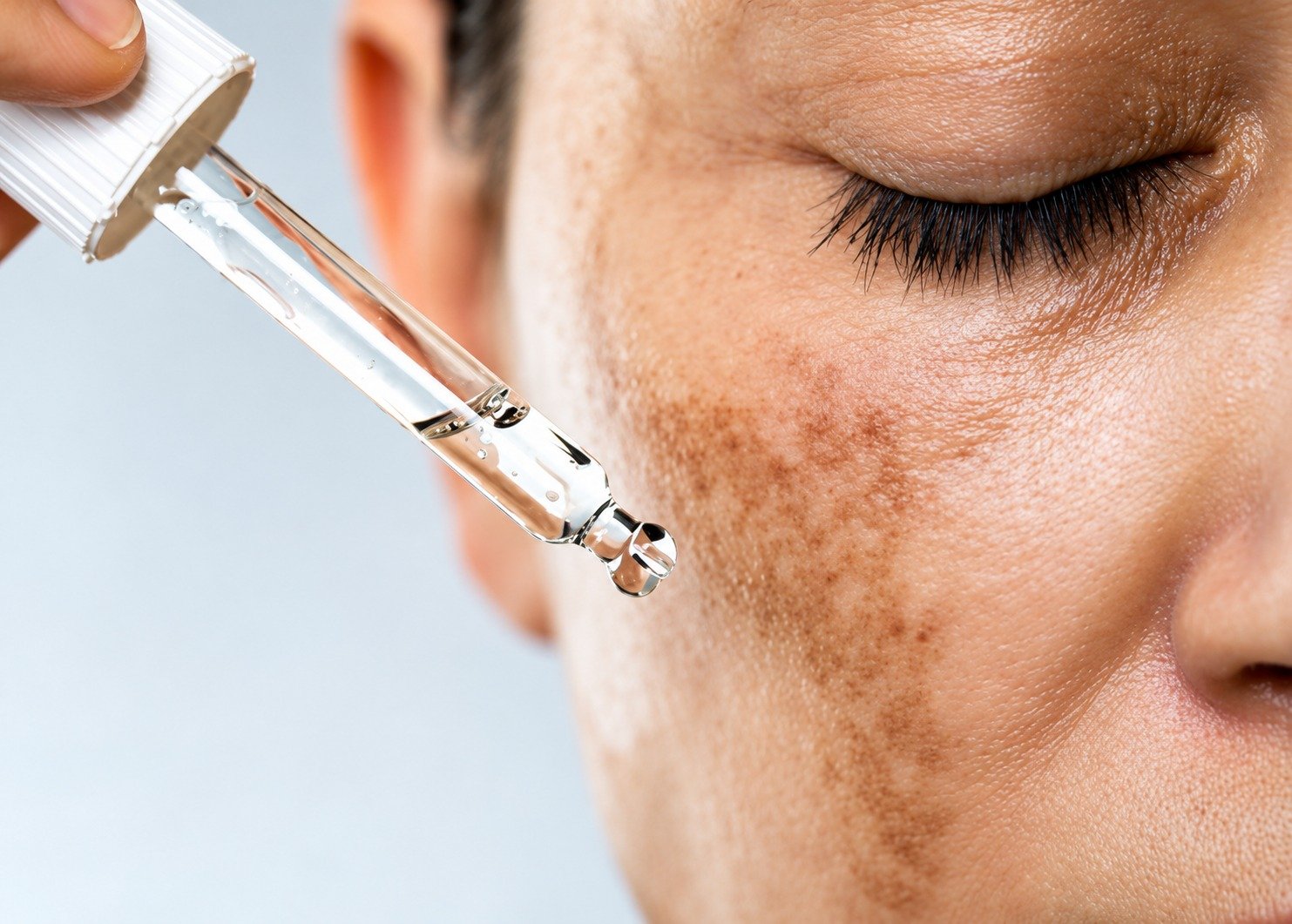
What Is Skin Pigmentation?
Skin pigmentation refers to the colour of your skin, which is influenced by melanin, a pigment produced by skin cells. When melanin production or distribution changes, darker patches or spots may appear. This is often described as hyperpigmentation.
If you are searching for pigmentation treatment in Coimbatore, the first step is understanding what is causing the change in your skin. The right approach depends on the type, location, duration and possible triggers of the pigmentation.
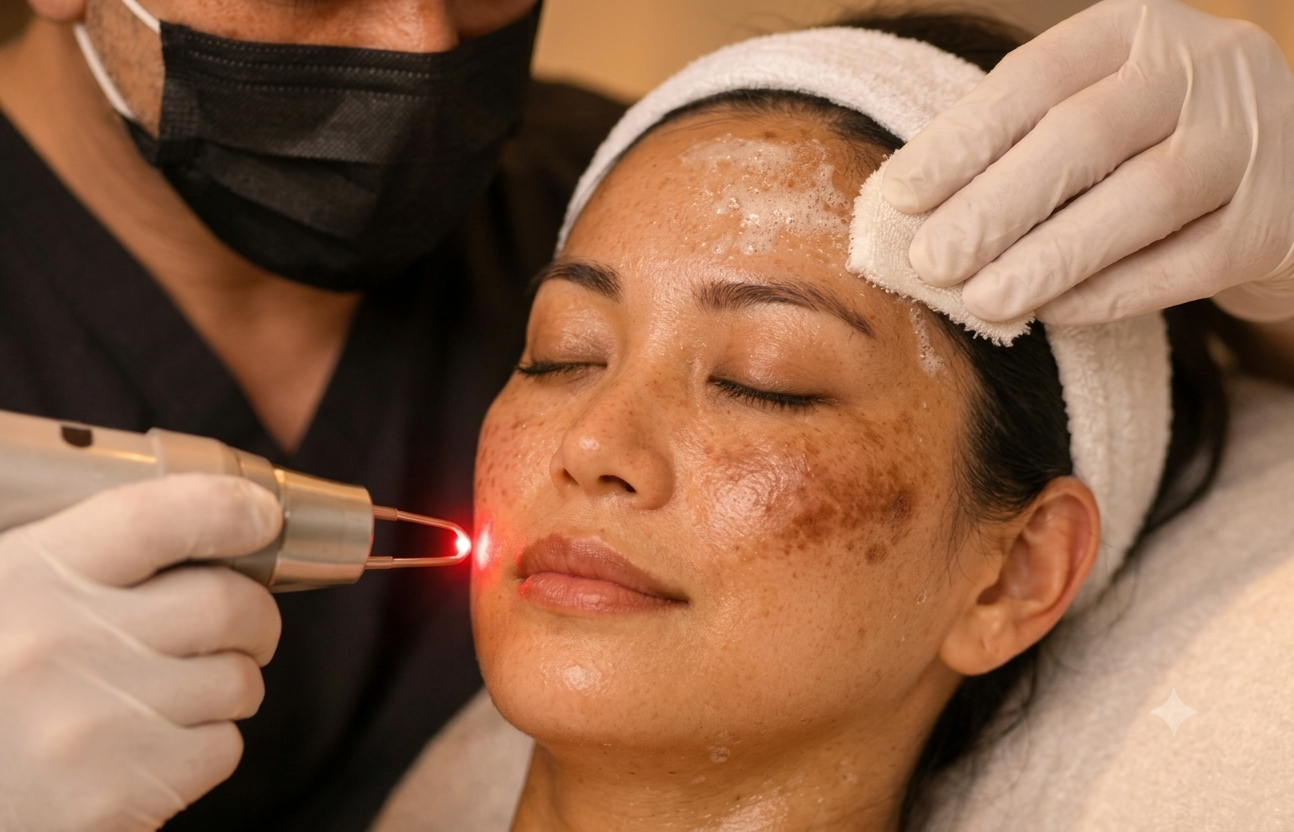
What to know first
Dark spots can have different causes. Avoid starting strong creams or skin-lightening products without understanding what is causing the pigmentation.
Common Causes of Pigmentation and Dark Spots
Several factors may contribute to facial pigmentation and uneven skin tone. More than one factor can sometimes be involved.
1. Sun exposure
Ultraviolet exposure can trigger or worsen dark spots in susceptible skin. Regular sun protection is an important part of managing many types of pigmentation.
2. Melasma
Melasma often appears as brown or grey-brown patches on the cheeks, forehead, upper lip or other parts of the face. Sun exposure and hormonal influences can contribute. It may need ongoing care because it can recur.
3. Post-inflammatory hyperpigmentation
Dark marks may remain after acne, irritation, eczema or another inflammatory skin condition has settled. Picking pimples or using irritating products may make these marks more noticeable.
4. Skincare irritation
Harsh scrubs, unsuitable cosmetic products and overuse of active ingredients may irritate the skin and contribute to post-inflammatory darkening in some people.
Types of Facial Pigmentation
Sun Spots
Darkened spots associated with cumulative sun exposure. A clinician can assess spots that are new or changing.
Melasma
Patchy facial pigmentation that may be influenced by sunlight and hormonal factors.
Acne Marks
Flat brown or dark marks that may remain after acne inflammation has healed.
Daily Skincare Tips for Uneven Skin Tone
A gentle, consistent routine may help reduce irritation and prevent some pigmentation from becoming darker.
- Use broad-spectrum sunscreen with SPF 30 or higher and reapply as directed, especially during prolonged outdoor exposure.
- Cleanse gently and avoid abrasive scrubs.
- Do not squeeze pimples or pick at dark spots.
- Introduce new skincare products gradually and stop products that cause persistent irritation.
- Avoid unlabelled fairness creams or products containing unprescribed steroid ingredients.
Pigmentation Treatment Options
The best pigmentation treatment depends on the diagnosis, your skin type, medical history and the depth and cause of the pigmentation. A dermatologist may discuss one or more of the following options when appropriate.
Prescription topical treatments
Selected creams or gels may be recommended for specific pigmentation conditions. The product and duration should be chosen by a qualified clinician.
Chemical peels
Certain professionally selected peels may help some pigmentation concerns. Incorrect strength or application can cause irritation and worsen dark marks.
Selected laser or light-based procedures
Some cases may be considered for device-based procedures after assessment. These treatments are not suitable for every type of pigmentation and can sometimes cause additional darkening.
Managing the underlying cause
If pigmentation is linked to acne, irritation or another skin condition, managing that condition is an important part of the overall plan.
When Should You Consult a Dermatologist?
Consider a consultation with a skin specialist if pigmentation persists, repeatedly returns, spreads or does not improve with gentle skincare. Seek medical assessment for a spot that is new or changing, or has irregular borders, multiple colours, bleeding or other unusual features.
A dermatologist can examine your skin, consider possible causes and explain the benefits, limitations and risks of suitable treatment options.
Meet Our Dermatologist

Dr. Jayapratha S
Consultant Dermatologist & Cosmetologist
MBBS, MD (D.V.L)
Dr. Jayapratha S provides dermatology and cosmetology services at NIVARA Pain & Skin Clinic. A consultation can help determine the possible cause of pigmentation and whether any treatment is appropriate.
Explore Skin Clinic ServicesPigmentation Treatment in Coimbatore at NIVARA
NIVARA Pain & Skin Clinic in Coimbatore offers dermatology and skin care consultation services. If you are looking for a skin specialist in Coimbatore for melasma, facial pigmentation, dark spots or uneven skin tone, contact the clinic to enquire about an appointment with the dermatology team.
Treatment recommendations should be based on an individual assessment. Results vary according to the cause of pigmentation, the treatment selected and how your skin responds.
View NIVARA Skin Clinic DetailsFrequently Asked Questions
What causes pigmentation on the face?
Possible causes include sun exposure, melasma, marks after acne or inflammation, hormonal influences and irritation from skincare products. An assessment can help identify the likely cause.
Can facial pigmentation be treated?
Many types can be managed, but the approach and expected results vary. Some conditions, including melasma, may recur and require ongoing maintenance.
Does sunscreen help with pigmentation?
Sun protection can help prevent existing pigmentation from worsening and is often an important part of treatment. Choose broad-spectrum sunscreen and use it as directed.
Which doctor should I consult for pigmentation in Coimbatore?
A qualified dermatologist can assess pigmentation and discuss appropriate options. NIVARA Pain & Skin Clinic lists Dr. Jayapratha S as its Consultant Dermatologist & Cosmetologist.
Are chemical peels or laser treatments suitable for everyone?
No. Suitability depends on the diagnosis, skin type and other individual factors. Some procedures can worsen pigmentation if used inappropriately, so professional assessment is important.